
Introduction to Ethical Hacking in 2026
In today's hyper-connected digital world, ethical hacking has emerged as one of the most exciting and lucrative career paths in the technology sector. As organizations worldwide face unprecedented cyber threats, the demand for skilled ethical hackers has skyrocketed to record levels. According to recent industry reports, the global shortage of cybersecurity professionals exceeds 4 million positions, with ethical hackers being among the most sought-after specialists.
Ethical hacking, also known as penetration testing or white-hat hacking, involves authorized attempts to gain unauthorized access to computer systems, networks, applications, or data. The goal is to identify security vulnerabilities before malicious hackers can exploit them. This proactive approach to security has become indispensable for organizations across all industries.
Whether you're a fresh graduate looking to enter the cybersecurity field, an IT professional seeking career advancement, or someone passionate about technology and security, this comprehensive guide will provide you with everything you need to know about becoming an ethical hacker in 2026. At Nexson IT Academy Hyderabad, we've helped thousands of students transform their careers through our industry-leading ethical hacking training program.
Key Statistics for 2026
- 4+ Million unfilled cybersecurity positions globally
- ₹4-50+ LPA salary range for ethical hackers in India
- 35%+ annual growth in ethical hacking job openings
- $10.5 Trillion projected global cybercrime cost by 2026
What is Ethical Hacking?
Ethical hacking is the practice of deliberately probing computer systems, networks, web applications, and digital infrastructure to discover security vulnerabilities that could be exploited by malicious attackers. Unlike black-hat hackers who exploit systems for personal gain or malicious intent, ethical hackers (also called white-hat hackers) work with explicit permission from system owners to improve security posture.
The primary objective of ethical hacking is to think and act like a malicious hacker while operating within legal and ethical boundaries. By identifying weaknesses before cybercriminals do, ethical hackers help organizations prevent data breaches, financial losses, reputational damage, and regulatory penalties.
Types of Ethical Hacking
- • Network Penetration Testing
- • Web Application Security Testing
- • Wireless Network Assessment
- • Social Engineering Testing
- • Physical Security Assessment
- • Cloud Security Testing
- • Mobile Application Testing
- • IoT Security Assessment
Key Objectives
- • Identify security vulnerabilities
- • Assess risk and impact levels
- • Test security controls effectiveness
- • Verify compliance requirements
- • Provide remediation guidance
- • Improve security awareness
- • Validate incident response
- • Document findings professionally
Ethical hacking encompasses various methodologies including black-box testing (no prior knowledge), white-box testing (full system knowledge), and gray-box testing (partial knowledge). Each approach serves different purposes and provides unique insights into an organization's security posture.
Ethical Hacker vs Malicious Hacker: Understanding the Difference
The fundamental difference between ethical hackers (white-hat) and malicious hackers (black-hat) lies in their intent, authorization, and methodology. While both possess similar technical skills and use comparable tools, their objectives and legal standing are completely opposite.
| Aspect | Ethical Hacker (White-Hat) | Malicious Hacker (Black-Hat) |
|---|---|---|
| Authorization | Operates with explicit permission | No authorization; illegal access |
| Intent | Improve security, protect systems | Exploit, steal, damage, extort |
| Legal Status | Fully legal and professional | Criminal activity; punishable by law |
| Reporting | Reports findings to improve security | Exploits or sells vulnerabilities |
| Compensation | Paid legally by organizations | Illegal gains; ransoms, stolen data |
| Career Path | Respected security professional | Criminal with potential jail time |
There's also a third category called gray-hat hackers who may discover vulnerabilities without explicit permission but disclose them responsibly without malicious exploitation. While their intentions may be good, operating without authorization remains legally risky.
Why Become an Ethical Hacker in 2026?
The decision to pursue a career in ethical hacking has never been more compelling. Here are the top reasons why 2026 is the perfect time to start your journey:
Explosive Job Growth
Cybersecurity jobs are growing 35% faster than average IT positions. The demand for ethical hackers continues to outpace supply significantly.
Lucrative Salaries
Ethical hackers command premium salaries ranging from ₹4 LPA for beginners to ₹50+ LPA for senior experts in India.
Global Opportunities
Work remotely for international companies, participate in bug bounties, or relocate to cybersecurity hubs worldwide.
Exciting Challenges
Every day brings new puzzles to solve. Stay intellectually stimulated by continuously learning and adapting to new threats.
Make a Difference
Protect organizations, individuals, and critical infrastructure from cyber threats. Your work has real-world impact.
Continuous Learning
The field evolves rapidly, ensuring you're always learning new techniques, tools, and technologies.
At Nexson IT Academy, we understand these market dynamics and have designed our ethical hacking training program to prepare you for immediate employment with hands-on skills that employers value most.
Complete Career Roadmap to Ethical Hacking
Becoming a successful ethical hacker requires a structured approach combining education, certifications, hands-on practice, and continuous learning. Here's your comprehensive roadmap:
Phase 1: Foundation Building (Months 1-3)
- Master networking fundamentals (TCP/IP, OSI model, protocols)
- Learn Linux and Windows operating systems deeply
- Understand basic security concepts and terminology
- Set up your hacking lab environment (VirtualBox, Kali Linux)
Phase 2: Skill Development (Months 4-6)
- Learn Python programming for automation and scripting
- Study web technologies (HTML, CSS, JavaScript, SQL)
- Practice reconnaissance and information gathering
- Learn vulnerability scanning and assessment tools
Phase 3: Certification & Specialization (Months 7-9)
- Obtain CEH (Certified Ethical Hacker) certification
- Master exploitation techniques and post-exploitation
- Learn web application penetration testing (OWASP Top 10)
- Practice on CTF platforms and vulnerable labs
Phase 4: Practical Experience (Months 10-12)
- Participate in bug bounty programs (HackerOne, Bugcrowd)
- Complete real-world projects and build portfolio
- Network with cybersecurity professionals
- Apply for internships or entry-level positions
Phase 5: Career Launch & Growth (Year 2+)
- Secure your first ethical hacking role
- Pursue advanced certifications (OSCP, OSCE, GPEN)
- Specialize in areas like red teaming, cloud security, or IoT
- Consider leadership roles or consulting opportunities
Educational Requirements and Qualifications
While a formal degree isn't always mandatory for ethical hacking, certain educational backgrounds provide a strong foundation. Here's what you need to know:
Recommended Degrees
- B.Tech/B.E. in Computer Science - Ideal foundation
- B.Tech in IT/ECE - Good alternative
- BCA/MCA - Application-focused approach
- M.Tech in Cybersecurity - Advanced positions
Alternative Paths
- Professional Certifications - CEH, OSCP, Security+
- Bootcamp Training - Intensive practical programs
- Self-Learning - With documented achievements
- Bug Bounty Track Record - Proves real skills
Pro Tip: Many successful ethical hackers come from non-traditional backgrounds. What matters most is demonstrable skills, certifications, and practical experience. Nexson IT Academy's ethical hacking program accepts students from any educational background and transforms them into job-ready professionals.
Essential Skills for Ethical Hackers
Successful ethical hackers combine technical expertise with analytical thinking and communication skills. Here are the essential competencies you need to develop:
Technical Skills
- • Networking (TCP/IP, DNS, HTTP/S)
- • Operating Systems (Linux, Windows)
- • Programming & Scripting
- • Web Technologies
- • Database Management
- • Cryptography Basics
- • Cloud Platforms (AWS, Azure)
- • Virtualization Technologies
Hacking Skills
- • Reconnaissance & OSINT
- • Vulnerability Assessment
- • Exploitation Techniques
- • Post-Exploitation
- • Privilege Escalation
- • Social Engineering
- • Web App Attacks (XSS, SQLi)
- • Wireless Hacking
Soft Skills
- • Analytical Thinking
- • Problem-Solving
- • Report Writing
- • Communication
- • Attention to Detail
- • Continuous Learning
- • Team Collaboration
- • Ethics & Integrity
Programming Languages to Master
Programming knowledge is essential for ethical hackers to automate tasks, develop exploits, and understand application vulnerabilities. Here are the must-know languages:
Python (Essential)
Priority: Critical
Python is the primary language for ethical hackers due to its simplicity, extensive libraries, and versatility in security tasks.
Uses: Exploit development, automation scripts, web scraping, network tools, malware analysis, CTF challenges
Bash/Shell Scripting (Essential)
Priority: Critical
Bash scripting is crucial for Linux system administration, automation, and working with security tools.
Uses: System automation, tool chaining, log analysis, quick scripts, enumeration
JavaScript (Important)
Priority: High
Understanding JavaScript is essential for web application security testing and finding client-side vulnerabilities.
Uses: XSS attacks, DOM manipulation, browser exploitation, web app testing
SQL (Important)
Priority: High
SQL knowledge is vital for understanding and exploiting database vulnerabilities like SQL injection.
Uses: SQL injection attacks, database enumeration, data extraction, security testing
C/C++ (Advanced)
Priority: Medium
C/C++ knowledge helps understand low-level programming, memory management, and binary exploitation.
Uses: Buffer overflows, reverse engineering, exploit development, malware analysis
Essential Hacking Tools and Technologies
Ethical hackers rely on a variety of tools for reconnaissance, vulnerability assessment, exploitation, and reporting. Here are the essential tools you must master:
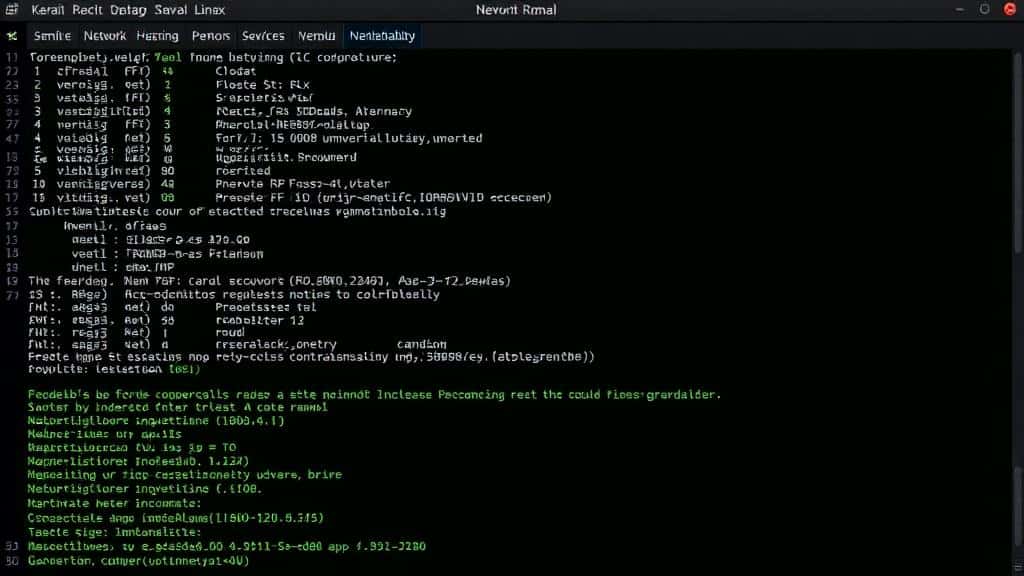
Reconnaissance Tools
- • Nmap - Network discovery and security auditing
- • Shodan - Search engine for IoT devices
- • Maltego - OSINT and link analysis
- • theHarvester - Email and domain reconnaissance
- • Recon-ng - Web reconnaissance framework
Vulnerability Scanners
- • Nessus - Industry-standard vulnerability scanner
- • OpenVAS - Open-source vulnerability assessment
- • Nikto - Web server scanner
- • Nuclei - Fast vulnerability scanner
- • Acunetix - Web application security
Exploitation Frameworks
- • Metasploit - Penetration testing framework
- • Burp Suite - Web application security testing
- • SQLMap - SQL injection automation
- • BeEF - Browser exploitation framework
- • Cobalt Strike - Advanced threat emulation
Password Cracking
- • John the Ripper - Password cracking
- • Hashcat - Advanced password recovery
- • Hydra - Network login cracker
- • Medusa - Parallel password auditor
- • CrackStation - Online hash lookup
At Nexson IT Academy's ethical hacking training, you'll get hands-on experience with all these tools in our state-of-the-art labs.
Top Certifications for Ethical Hackers
Industry certifications validate your skills and significantly boost your employability. Here are the most valuable certifications for ethical hackers in 2026:
CEH (Certified Ethical Hacker)
EC-Council | Entry to Mid-Level
The CEH certification covers a broad range of ethical hacking concepts and techniques. It's the most recognized entry-level certification for ethical hackers.
OSCP (Offensive Security Certified Professional)
Offensive Security | Advanced
OSCP is a hands-on, highly technical certification that proves practical penetration testing skills. It's considered the gold standard in the industry.
CompTIA Security+
CompTIA | Entry-Level
Security+ provides a solid foundation in cybersecurity concepts. It's vendor-neutral and DoD approved.
PNPT (Practical Network Penetration Tester)
TCM Security | Intermediate
PNPT focuses on practical, real-world penetration testing skills with a 5-day practical exam and report submission.
GPEN (GIAC Penetration Tester)
GIAC/SANS | Advanced
GPEN validates your ability to conduct penetration tests using best-practice techniques and methodologies.
Best Ethical Hacking Training Courses
Choosing the right training program is crucial for your success. Here's what to look for in a quality ethical hacking course:
What to Look For
- • Hands-on practical labs (70%+ practical)
- • Industry-experienced instructors
- • Real-world project experience
- • Certification preparation included
- • Placement assistance and career support
- • Updated curriculum (2026 threats)
- • Access to professional tools
- • Small batch sizes for attention
Red Flags to Avoid
- • Theory-heavy with minimal labs
- • No industry certifications included
- • Outdated curriculum and tools
- • No placement support
- • Inexperienced trainers
- • Large batch sizes (50+ students)
- • No real project experience
- • Hidden fees and unclear pricing
Recommended: Nexson IT Academy Hyderabad
Nexson IT Academy's Ethical Hacking Training offers the most comprehensive program in Hyderabad with:
- 80% Hands-on practical training
- CEH certification preparation
- Real-world projects on live systems
- 100% Placement assistance
- Industry expert trainers
- Small batches (max 15 students)
Hands-On Practice and Labs
Practical experience is non-negotiable in ethical hacking. Here are the best platforms to sharpen your skills:

TryHackMe
Beginner-friendly learning paths with guided rooms and challenges. Great for starting out.
Free + PremiumHackTheBox
Industry-standard platform with realistic machines and active community. Intermediate to advanced.
Free + VIPPortSwigger Web Security Academy
Free comprehensive web security training from Burp Suite creators.
FreeOWASP WebGoat
Deliberately insecure application for learning web application security.
FreeVulnHub
Download vulnerable virtual machines to practice in your own lab.
FreePentesterLab
Hands-on exercises covering web penetration testing and more.
Free + ProGetting Started with Bug Bounty Programs
Bug bounty programs offer a legal way to practice your skills on real-world targets while earning money. Many successful ethical hackers started through bug bounties.
Top Bug Bounty Platforms
- HackerOne - Largest platform, major companies
- Bugcrowd - Great for beginners
- Synack Red Team - Elite researchers
- Intigriti - European focus
- YesWeHack - Growing platform
Tips for Success
- Start with programs that have wide scope
- Read and follow program rules carefully
- Write clear, professional reports
- Focus on quality over quantity
- Learn from disclosed reports
Our Bug Bounty Training program at Nexson IT Academy prepares you specifically for success in bug bounty hunting.
Ethical Hacking Job Roles and Positions
Ethical hacking skills open doors to various cybersecurity roles. Here are the top positions you can pursue:
Penetration Tester
Conduct authorized simulated attacks on systems to identify vulnerabilities before malicious hackers can exploit them.
Salary: ₹6-25 LPA | Demand: Very High
Security Analyst
Monitor security systems, analyze threats, and respond to security incidents to protect organizational assets.
Salary: ₹4-15 LPA | Demand: High
Red Team Specialist
Simulate advanced persistent threats to test an organization's detection and response capabilities.
Salary: ₹12-40 LPA | Demand: High
Security Consultant
Advise organizations on security strategy, conduct assessments, and help implement security solutions.
Salary: ₹8-35 LPA | Demand: High
Bug Bounty Hunter
Find and report vulnerabilities in company systems for monetary rewards. Can be full-time or freelance.
Earnings: Variable (₹50K - ₹50L+ per bug) | Flexibility: High
Security Engineer
Design, implement, and maintain security systems and infrastructure to protect against threats.
Salary: ₹8-30 LPA | Demand: High
Salary Expectations in India and Abroad
Ethical hackers command premium salaries due to high demand and specialized skills. Here's what you can expect:
| Experience Level | India (LPA) | USA (USD) | UK (GBP) |
|---|---|---|---|
| Entry Level (0-2 years) | ₹4-8 LPA | $70,000-$90,000 | £35,000-£50,000 |
| Mid Level (3-5 years) | ₹8-18 LPA | $90,000-$130,000 | £50,000-£80,000 |
| Senior Level (6-10 years) | ₹18-35 LPA | $130,000-$180,000 | £80,000-£120,000 |
| Expert (10+ years) | ₹35-60+ LPA | $180,000-$300,000+ | £120,000-£200,000+ |
Factors Affecting Salary
- Industry certifications (CEH, OSCP, etc.)
- Bug bounty track record
- Specialization area
- Company size and industry
- Location (metro cities pay more)
- Practical project experience
Top Industries Hiring Ethical Hackers
Ethical hackers are in demand across virtually every industry. Here are the top sectors hiring in 2026:
IT & Technology
Product companies, SaaS providers, tech giants
Banking & Finance
Banks, fintech, insurance companies
Government & Defense
Military, intelligence agencies, public sector
Healthcare
Hospitals, pharma, medical devices
E-commerce & Retail
Online retailers, payment processors
Consulting Firms
Security consultancies, Big 4 firms
Interview Preparation Tips
Cracking ethical hacking interviews requires both technical knowledge and practical demonstration skills. Here's how to prepare:
Technical Preparation
- Master OWASP Top 10 vulnerabilities
- Practice explaining attack methodologies
- Know tools inside-out (Burp, Metasploit, Nmap)
- Understand networking and protocols deeply
- Be ready for hands-on CTF challenges
Portfolio & Demonstration
- Prepare sample penetration test reports
- Document CTF achievements and writeups
- Showcase bug bounty findings (if allowed)
- Maintain an active GitHub with security tools
- Have certifications ready to present
Common Interview Questions
- • Explain the difference between vulnerability assessment and penetration testing
- • Walk me through your approach to testing a web application
- • How would you exploit SQL injection? Demonstrate with examples
- • Explain privilege escalation techniques on Windows and Linux
- • How do you stay updated with the latest vulnerabilities and threats?
- • Describe a challenging bug you found and how you discovered it
Career Growth and Advancement
The ethical hacking career path offers excellent growth opportunities. Here's what your progression might look like:
Junior Penetration Tester
0-2 years | ₹4-8 LPA
Senior Penetration Tester
3-5 years | ₹10-20 LPA
Lead Security Consultant / Red Team Lead
5-8 years | ₹20-35 LPA
Security Director / CISO
10+ years | ₹40-80+ LPA
Common Challenges and Solutions
Every aspiring ethical hacker faces challenges. Here's how to overcome them:
Challenge: Information Overload
The field is vast with constantly evolving technologies and threats.
Solution: Follow a structured learning path, focus on fundamentals first, and specialize gradually.
Challenge: Lack of Practical Experience
Theory alone doesn't prepare you for real-world scenarios.
Solution: Use platforms like TryHackMe, HackTheBox, and participate in CTFs. Join bug bounty programs.
Challenge: Expensive Certifications
Industry certifications can be costly for students and freshers.
Solution: Start with affordable options like Security+, pursue employer-sponsored certifications, or join training institutes that include certification prep.
Challenge: Getting First Job
Breaking into the industry without experience is tough.
Solution: Build a strong portfolio, contribute to open-source security projects, network actively, and consider internships.
Why Choose Nexson IT Academy Hyderabad
Nexson IT Academy is Hyderabad's premier cybersecurity training institute, dedicated to transforming aspiring professionals into industry-ready ethical hackers.

Industry-Expert Trainers
Learn from certified professionals with 10+ years of experience
80% Hands-On Training
Focus on practical skills with real-world lab exercises
CEH Certification Preparation
Complete exam preparation with practice tests
100% Placement Assistance
Resume building, interview prep, and job placement support
State-of-the-Art Labs
Practice on enterprise-grade security tools
Small Batch Sizes
Maximum 15 students for personalized attention
Flexible Learning Modes
Classroom, online, and weekend batches available
Multiple Locations
Centers in Ameerpet, KPHB, Hitech City
Start Your Ethical Hacking Journey Today
Join thousands of successful professionals who transformed their careers with Nexson IT Academy. Get a free career counseling session and course demo.
Success Stories from Our Alumni
Our graduates are working at leading companies across India and abroad. Here are some of their stories:

Rahul S.
Security Analyst at TCS
"Nexson's practical approach helped me crack my first cybersecurity role within 3 months of completing the course. The CEH preparation was excellent!"
Priya M.
Penetration Tester at Deloitte
"The hands-on labs and real-world projects gave me confidence for interviews. I now earn 18 LPA - triple what I expected as a fresher!"
Frequently Asked Questions
What is the salary of an ethical hacker in India in 2026?
The average salary ranges from ₹4-6 LPA for freshers, ₹8-15 LPA for mid-level professionals, and ₹20-50+ LPA for senior experts with certifications like CEH and OSCP. Location, certifications, and practical skills significantly impact earnings.
Can I become an ethical hacker without a degree?
Yes, you can become an ethical hacker without a traditional degree. Industry certifications like CEH, OSCP, and practical skills demonstrated through bug bounty programs are highly valued by employers. Many successful ethical hackers are self-taught or have non-CS backgrounds.
Which certification is best for ethical hacking beginners?
For beginners, CompTIA Security+ or CEH (Certified Ethical Hacker) are ideal starting points. CEH covers fundamental hacking techniques while Security+ provides a broad security foundation. Both are widely recognized and open doors to entry-level positions.
How long does it take to become an ethical hacker?
With dedicated effort, you can become job-ready in 6-12 months. This includes learning fundamentals (2-3 months), getting certified (2-3 months), and gaining practical experience (3-6 months). Continuous learning is essential throughout your career.
What programming languages should ethical hackers learn?
Essential languages include Python (automation and exploit development), Bash (Linux scripting), JavaScript (web application testing), SQL (database attacks), and C/C++ (understanding exploits). Python is the most important and should be learned first.
Is ethical hacking legal in India?
Yes, ethical hacking is legal when performed with proper authorization. Under the IT Act 2000, unauthorized access to computer systems is illegal. Ethical hackers always obtain written permission before testing systems and operate within agreed scope.
What is the difference between CEH and OSCP?
CEH is a knowledge-based certification focusing on concepts and methodologies, suitable for beginners. OSCP is a hands-on, practical certification with a 24-hour exam, considered more advanced and industry-respected. CEH is typically pursued first, followed by OSCP.
Can ethical hackers work remotely?
Yes, many ethical hacking roles offer remote work options. Penetration testers often work from home using VPN connections to client networks. Bug bounty hunting is entirely remote. However, some positions may require on-site presence for security reasons.
What is the career scope for ethical hackers in India?
The career scope is excellent with a severe talent shortage. India needs over 1 million cybersecurity professionals by 2026. Major IT companies, banks, government agencies, and startups are actively hiring. Growth opportunities include becoming a CISO, security consultant, or starting your own firm.
How much can I earn from bug bounty hunting?
Bug bounty earnings vary widely. Beginners might earn ₹5,000-50,000 per bug, while experienced hunters can earn ₹1-50+ lakhs for critical vulnerabilities. Top researchers earn multiple crores annually. It requires consistent effort and skill development.
What is the best ethical hacking training institute in Hyderabad?
Nexson IT Academy is consistently rated among the best for ethical hacking training in Hyderabad. We offer 80% hands-on training, CEH certification preparation, 100% placement assistance, and industry-expert trainers with affordable fees.
Do I need a cybersecurity degree to get hired?
No, a cybersecurity degree is not mandatory. Many employers prioritize certifications (CEH, OSCP), practical skills, and demonstrable experience over formal degrees. A computer science or IT background helps but isn't required if you have relevant certifications and skills.
What tools should every ethical hacker know?
Essential tools include Nmap (network scanning), Burp Suite (web app testing), Metasploit (exploitation), Wireshark (packet analysis), John the Ripper/Hashcat (password cracking), SQLMap (SQL injection), and Kali Linux as the operating system.
Is ethical hacking a stressful job?
It can be intense during engagements with tight deadlines, but many find it rewarding and exciting. The intellectual challenge of finding vulnerabilities is motivating for most professionals. Work-life balance varies by employer and role type.
Can women pursue ethical hacking careers?
Absolutely! The cybersecurity industry actively encourages diversity. Many successful women work as ethical hackers, security researchers, and CISOs. Organizations like Women in Cybersecurity (WiCyS) support women entering the field.
What is the future of ethical hacking?
The future is extremely bright with emerging areas like AI/ML security, cloud security, IoT security, automotive hacking, and critical infrastructure protection. As technology evolves, ethical hackers will remain essential for identifying and fixing new vulnerabilities.
Ready to Start Your Ethical Hacking Career?
Join Nexson IT Academy and transform your career with industry-leading ethical hacking training. Get hands-on experience, CEH certification preparation, and 100% placement assistance.